

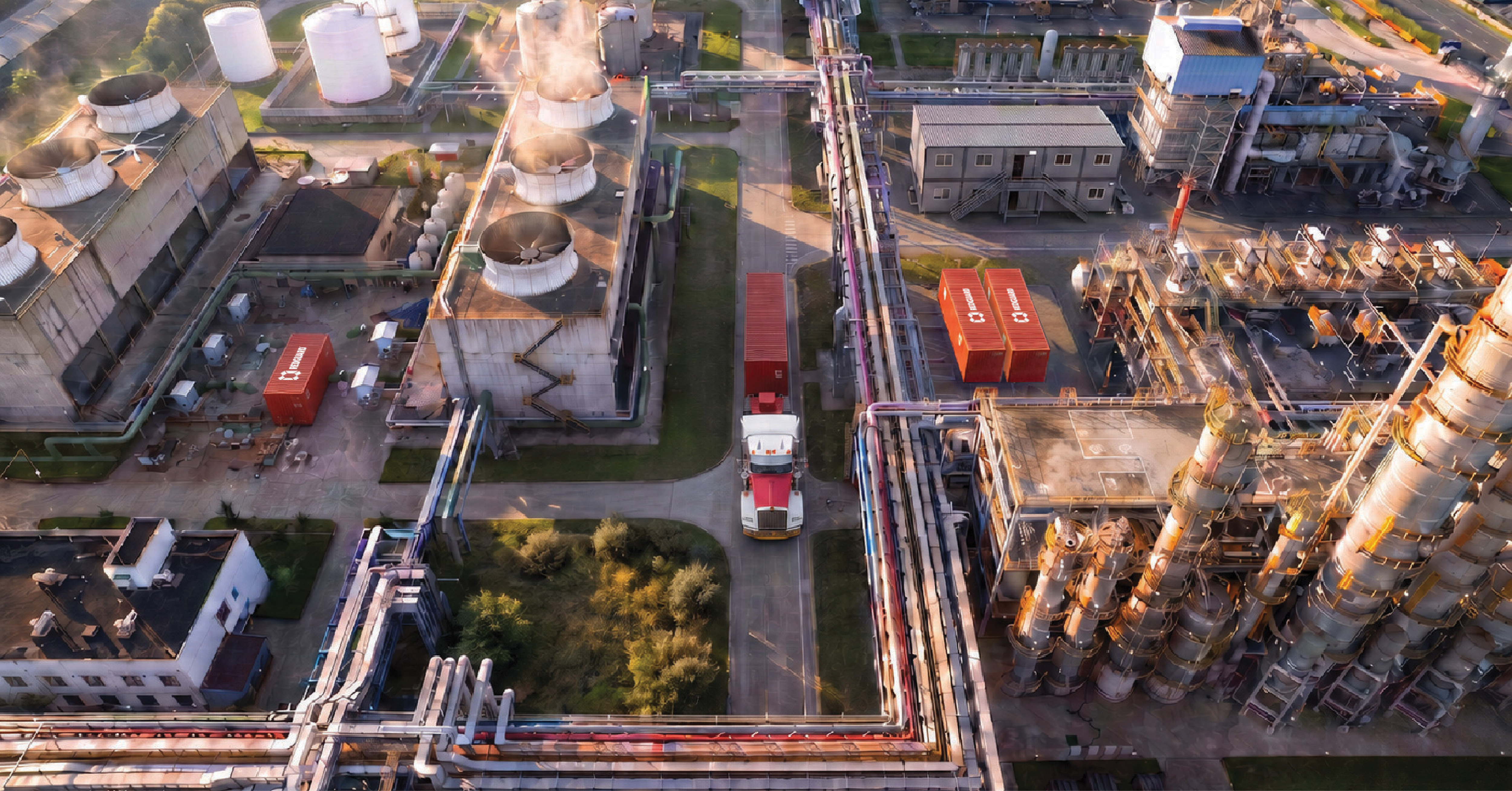

Modular blast-resistant buildings are often selected to meet the needs of a specific project, whether that's a turnaround, facility expansion or new process unit. Depending on the duration of the project, facilities may lease modular blast-resistant buildings, or they may purchase them for longer projects. Once the original project is complete, a purchased blast-resistant building may still have years of useful service remaining. Rather than viewing it as a one-time investment, many organizations explore opportunities for repurposing modular blast-resistant buildings to support changing operational needs.
Understanding how to relocate blast-resistant buildings and repurpose them for future projects can help facility owners make more informed decisions throughout a building's service life. In this post, we'll look at the factors that influence those decisions and why planning for flexibility often begins long before a building is ever installed.
Why Blast-Resistant Building Needs Change Over Time
An industrial facility is in a state of continual evolution. This can be seen in expanded process units, replaced equipment, completed maintenance turnarounds and new capital projects that introduce different occupancy requirements. A blast-resistant building that was originally selected to support one operation may eventually be better suited to another.
As priorities change, so do the needs of the people who work inside these buildings. A structure that once served as a contractor office during a turnaround may later support maintenance personnel, operations staff or another project in a different area of the facility. Rather than purchasing a new building for every application, organizations may find opportunities to continue using an existing modular blast-resistant building in a different role.
Whether that involves relocating the building, modifying its interior or adapting it for a new purpose, the goal is the same: extending the value of an engineered building while continuing to meet the safety and operational requirements of its new application.
How Blast-Resistant Buildings Can Be Repurposed
Unlike buildings that are constructed in place and intended to remain in one location throughout their service life, the benefits of modular blast-resistant buildings offer greater flexibility as operational needs change. Depending on the building's original design and the requirements of its next application, it may be possible to relocate, reconfigure or repurpose the building to continue supporting facility operations.
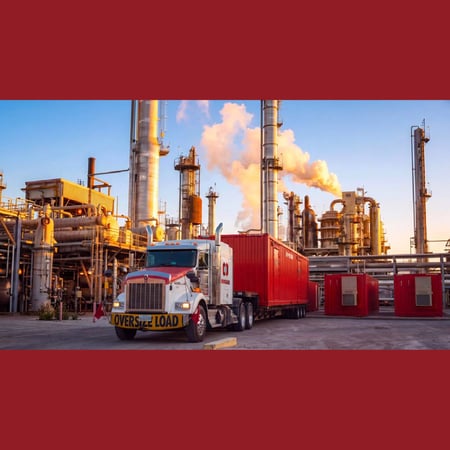 Repurposing does not always mean moving a building from one site to another. In many cases, it simply means adapting an existing building to meet a different operational need. The appropriate approach depends on the building's intended use, the conditions at its new location and the engineering evaluation performed before it is returned to service.
Supporting a Different Project
A modular blast-resistant building purchased for one project may continue providing value long after that work is complete. For example, a building originally used during a turnaround could later support maintenance activities, a facility expansion or another capital project. Reusing an existing building may reduce the need to procure additional occupied buildings and make better use of an existing investment.
Relocating Blast-Resistant Buildings Within the Same Facility
As facilities evolve, the needs of occupied buildings often shift to different process units or work areas. When supported by engineering, relocating a modular blast-resistant building within the same facility allows organizations to position occupied space where it is needed most while continuing to meet project requirements.
Relocating Blast-Resistant Buildings to Another Facility
In some situations, relocating a modular blast-resistant building to a different facility may be a practical option. This allows organizations with multiple operating locations to redeploy an existing building instead of purchasing a new one. Before doing so, however, the building must be evaluated to confirm it is suitable for the hazards, occupancy requirements and site conditions at its new location.
Reconfiguring Modular Blast-Resistant Buildings for New Uses
Repurposing may also involve modifying the building itself. Changes to the interior layout, building systems or utilities may help support a different function while allowing the building to continue serving operational needs. As with relocation, any modifications should be reviewed through an engineering evaluation to verify the building continues to meet its intended performance requirements.
Reconfigurations could include something simple, like adding or removing partition walls to create offices or a conference room, updating electrical or communications infrastructure to support the technology for a control room, or adding vented HVAC systems to meet performance requirements in a hazardous area.
Engineering Considerations for Repurposing or Relocating a Blast-Resistant Building
Repurposing or relocating a modular blast-resistant building means more than just moving it to a new location. Before the building is returned to service, engineers must evaluate whether it is suitable for its new application and can continue to provide the required level of occupant protection. The specific considerations will vary by project, but several factors are commonly reviewed:
- blast hazards and facility siting
- foundation and anchorage
- environmental loads
- occupancy
- utility connections and systems
- applicable design codes and standards
A building that was appropriate for one location may not be appropriate for another. Changes in process equipment, hazardous inventories or occupancy can affect the blast loads a building is expected to withstand. A facility siting study or engineering review helps determine whether the building's original design remains suitable for its new location.
The number of occupants, intended use, and required building systems should all be reviewed. Changes to HVAC, electrical distribution, communications systems or life safety features may be necessary depending on how the building will be used. Any modifications should be incorporated into the overall engineering evaluation.
The objective of this evaluation is not simply to confirm that the building can be moved. It is to verify that, once relocated or repurposed, the building continues to perform as intended under the conditions of its new operating environment.
Planning for Future Flexibility Starts Early
The opportunity to repurpose or relocate a blast-resistant building often begins long before the building is ever installed. Organizations that anticipate changing operational needs, recurring turnarounds or future capital projects may benefit from considering a building's potential long-term use during the planning and procurement process.
While site-built blast-resistant buildings are generally intended to remain in one location throughout their service life, modular blast-resistant buildings provide greater flexibility when supported by the appropriate engineering evaluation. For facilities that regularly adjust staffing levels, expand process units or manage multiple project phases, that flexibility may become an important consideration alongside the building's initial performance requirements.
Thinking beyond the immediate project can also influence decisions about building size, layout and future adaptability. Considering how the building might be used five or ten years from now may help organizations maximize the value of their investment while reducing the need to procure additional occupied buildings as operational needs evolve.
An example of how that might work is a facility purchasing a modular blast-resistant building to support its current operations while anticipating a major turnaround within the next few years. Rather than procuring additional occupied buildings when contractor staffing increases, the existing building may already be positioned to support those temporary personnel, provided it is appropriate for the new application and supported by the necessary engineering evaluation.
Extending the Value of a Blast-Resistant Building
By considering future flexibility during the planning process and carefully evaluating each new application, organizations can maximize the value of their investment while continuing to provide the level of occupant protection their operations require.
If you're planning a new blast-resistant building or evaluating how an existing modular building will support future projects, the RedGuard team can help assess your options. Contact us to discuss your application and engineering requirements.